Persistent back or leg pain can make walking, standing, and everyday activities difficult. When nonsurgical treatments haven’t provided enough relief, your specialist may discuss whether spinal stabilization and fusion could help.
The Minuteman® G5 is one treatment option available at Pain Consultants of East Tennessee. An evaluation can help determine whether it fits your diagnosis, spinal anatomy, and care goals.
What Is the Minuteman G5?
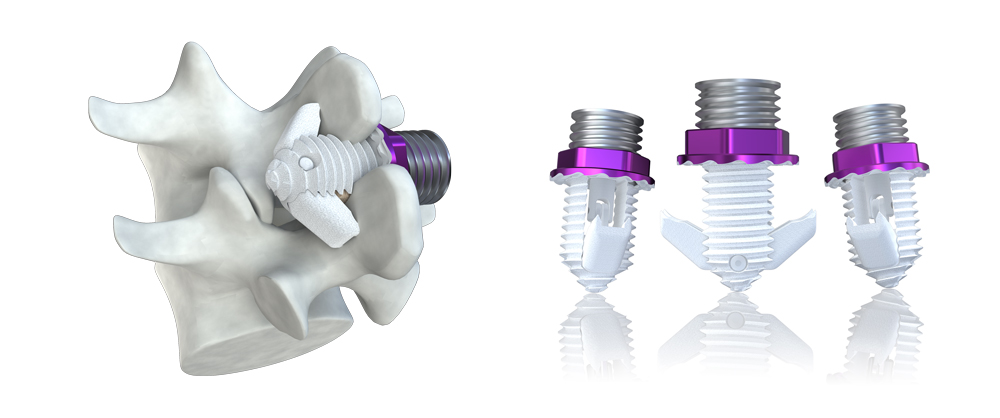
The Minuteman G5 is an implant designed to stabilize a spinal segment and support fusion.
The device attaches to bony structures at the back of adjacent vertebrae. Your physician uses bone graft material with the implant to encourage the bones to grow together over time.
Fusion limits movement at the treated segment. The goal is to provide stability and help manage symptoms associated with certain spinal conditions.
What Conditions May Be Treated?
The device’s indications include:
- Lumbar spinal stenosis: Narrowing in the lower spine that can put pressure on nerves.
- Degenerative disc disease: Certain cases of back pain associated with disc degeneration confirmed through clinical evaluation and imaging.
- Spondylolisthesis: A condition in which one vertebra slips relative to another.
However, a diagnosis alone does not establish candidacy. Your physician will consider the location and severity of the problem, bone health, previous treatments, and overall medical history.
How Is the Procedure Performed?
Your physician places the implant through a small incision using specialized instruments. The approach and anesthesia plan depend on your anatomy, medical needs, and treatment plan.
The implant provides fixation while the bone graft supports the fusion process. Although the procedure uses a minimally invasive approach, it still involves an implanted device and requires time for healing.
Your care team will explain the procedure, preparation instructions, and expected discharge plan before treatment.
What Are the Potential Benefits?
For appropriately selected people, spinal stabilization may help reduce pain and improve daily function.
The Minuteman approach allows access through a small incision and aims to preserve surrounding tissues. Treatment may be performed in an outpatient setting when appropriate.
Nevertheless, results vary. The procedure does not guarantee pain relief or eliminate every possible source of back or leg symptoms.
What Should You Expect During Recovery?
Your care team will provide instructions for incision care, follow-up appointments, and activity restrictions.
You may need to limit bending, lifting, and twisting while healing progresses. Walking and rehabilitation may also be part of your recovery plan, following your clinician’s guidance.
Returning home after a procedure does not mean the fusion has finished healing. Your physician will help determine when to resume work, exercise, and other activities.
What Are the Risks?
Potential risks include infection, bleeding, nerve injury, bone fracture, implant movement or failure, and incomplete fusion. Pain may persist, and additional treatment or surgery may be necessary.
Discuss the expected benefits, risks, and alternatives with your physician before deciding.
Explore Your Options at PCET
If ongoing back or leg pain limits your activities, an evaluation can help identify the source and clarify which treatments may be appropriate.
Hear from Diane Neely below about her experience with the Minuteman procedure, or call us at (865) 579-0552 to schedule a consultation.