The Fall Chill and the Achy Joints That Can Come With It
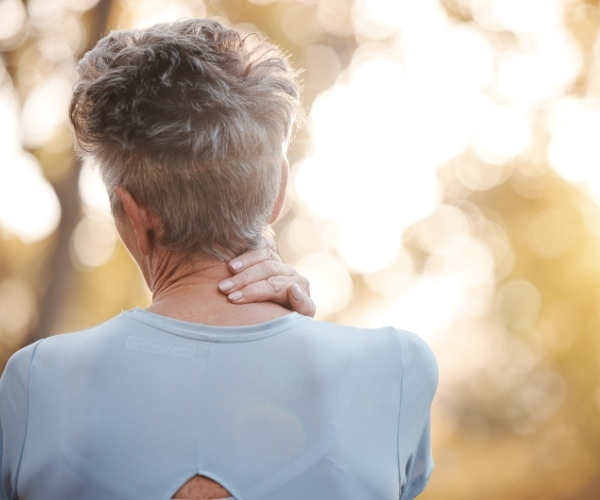
As temperatures drop across East Tennessee, some patients notice their joint or arthritis pain feels more noticeable. It’s a pattern many people describe, and while researchers don’t fully agree on a single cause, a few commonly discussed factors may play a role.
What May Be Contributing to Fall Flare-Ups
Barometric pressure changes are one frequently discussed factor – as pressure drops before a weather change, tissue around joints may expand slightly, which some patients feel as increased stiffness or discomfort. Cooler temperatures can also cause muscles and connective tissue to tighten up, and shorter, cooler days often mean less overall movement, which can make joints feel stiffer than they did over the summer.
None of these factors work the same way for everyone, and the degree to which weather affects pain varies quite a bit from person to person.
Simple Habits That May Help
A few adjustments as the seasons change can make a difference for some patients: staying consistent with movement even as it gets colder out, dressing in layers to keep joints warm, staying on top of hydration, and keeping up with any home exercise or stretching routine recommended by your care team.
If a flare-up is more disruptive than what you’d typically expect, that’s worth a conversation with your PCET provider rather than something to just push through.
How PCET Can Help
Pain Consultants of East Tennessee takes a multi-disciplinary approach to joint and arthritis-related pain, which can include our Functional Rehab program, targeted procedures, and ongoing care management options like Remote Therapeutic Monitoring. Your provider can help you figure out which combination fits your situation best as the seasons change.
If cooler weather has been harder on your joints than usual this year, our Knoxville and Oak Ridge offices are here to help. Call (865) 579-0552 to schedule a visit.
Frequently Asked Questions
Why does my joint pain seem worse when the weather changes?
Many patients notice this pattern. Commonly discussed factors include changes in barometric pressure, cooler temperatures affecting muscles and tissue, and reduced activity levels – though the exact reasons can vary from person to person.
Is there anything I can do to ease fall weather flare-ups?
Staying active, dressing warmly, keeping up with a recommended stretching or exercise routine, and staying hydrated are habits some patients find helpful going into cooler months.
When should I contact PCET about a flare-up?
If your pain feels more disruptive than your usual pattern, or is starting to interfere with daily activities, it’s a good time to check in with your provider.
Does PCET offer treatment options specifically for arthritis-related pain?
Yes. Your care team can walk you through options that may fit your situation, from Functional Rehab to interventional procedures, as part of a broader treatment plan.