 Persistent sacroiliac joint pain can make walking, sitting, and everyday activities uncomfortable. When nonsurgical treatments haven’t provided enough relief, SI joint fusion may be an option for some people.
At Pain Consultants of East Tennessee, your specialist can evaluate whether the sacroiliac joint is contributing to your pain and discuss treatments that fit your diagnosis.
What Is the SI Joint?
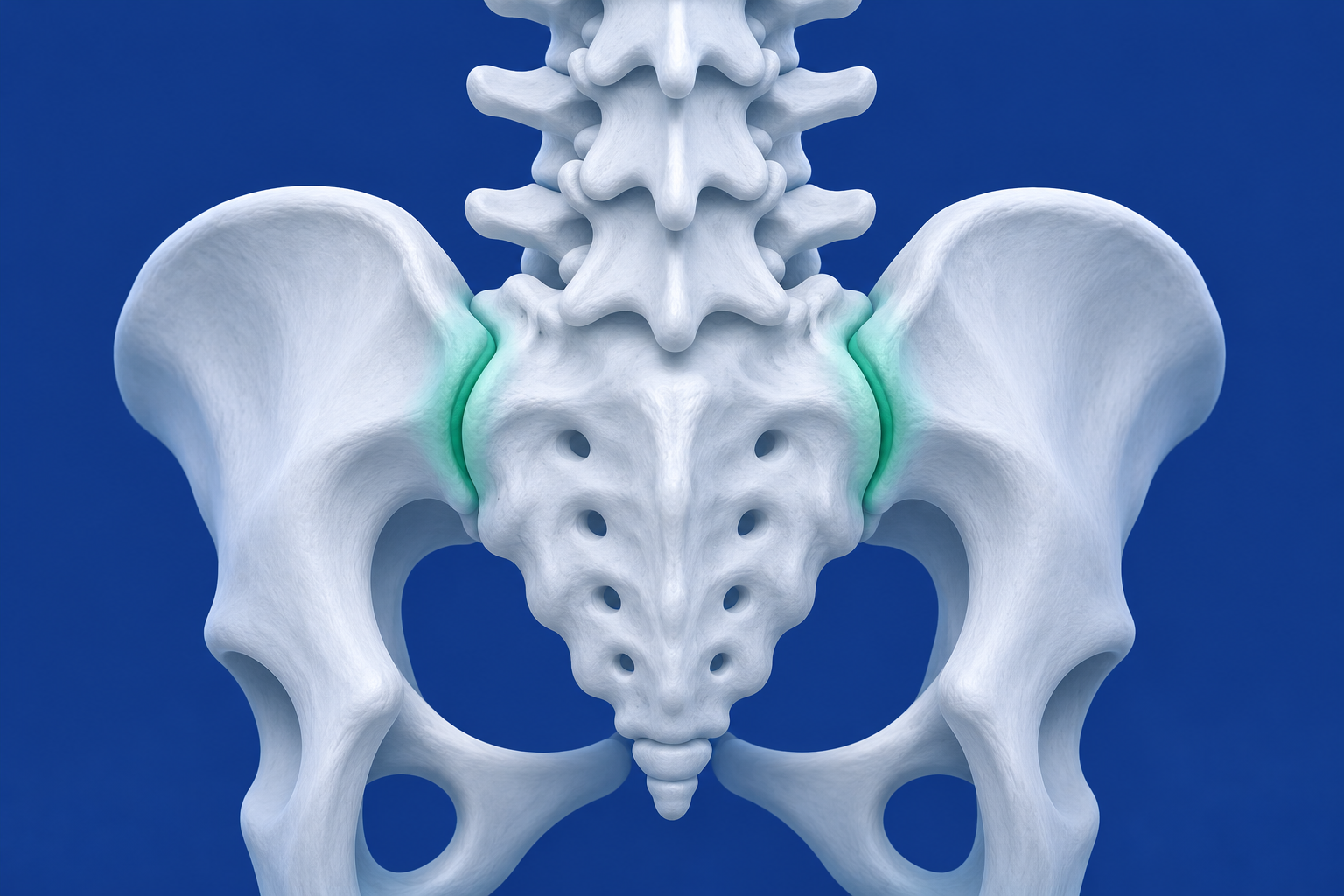
The sacroiliac, or SI, joints connect the sacrum at the base of your spine to the pelvis. Problems involving these joints can contribute to pain around the lower back, buttocks, or hips.
However, several conditions can cause similar symptoms. A thorough evaluation helps identify the source before you consider a procedure.
How Does Rialto SI Joint Fusion Work?
The Rialto™ SI Fusion System uses implants to stabilize the sacroiliac joint and create an environment that supports bone fusion.
Your surgeon places the implants through a small incision. Bone graft material may also help support bone growth and fusion.
The goal is to limit painful movement at the affected joint. Although this approach may reduce pain for appropriately selected people, it does not guarantee relief.
Who May Be a Candidate?
Rialto is intended for conditions that include degenerative sacroiliitis and SI joint disruption.
Your specialist may consider fusion when:
- An evaluation supports the SI joint as a source of pain.
- Nonsurgical treatments haven’t provided adequate, lasting relief.
- Your overall health and treatment goals support surgery.
A diagnostic SI joint injection may help determine whether the joint is contributing to your symptoms. Temporary improvement after that injection can provide useful information, even when the relief doesn’t last.
What Are the Potential Benefits?
For appropriately selected people, SI joint fusion may help reduce pain and improve daily function.
The Rialto system allows a minimally invasive approach through a small incision. Its implants provide stabilization while supporting the fusion process.
Nevertheless, the benefits depend on an accurate diagnosis, appropriate treatment selection, and healing after surgery.
What Are the Risks and Recovery Considerations?
Potential risks include infection, bleeding, nerve injury, implant complications, and incomplete pain relief. Some complications may require additional treatment or surgery.
Recovery also takes time. Your care team will explain how to care for the incision, which activities to limit, and when to increase activity. Physical therapy may be part of your recovery plan.
Follow your surgeon’s instructions rather than assuming that a small incision means an immediate return to normal activities.
Discuss SI Joint Pain With PCET
If persistent SI joint pain continues to limit your activities, an evaluation can help clarify your options.
Call us at (865) 579-0552 to schedule an initial appointment and watch the inspiring journey of John Newcomb below.