In this ReActiv8 patient story, Rachel Wilson shares her experience with chronic low back pain and the activities that matter to her.
Her account describes a back injury during military service in 2005, followed by years of pain that affected movement and everyday tasks.
Living With Persistent Back Pain
Rachel’s story illustrates how ongoing pain can change daily routines. Activities that once felt straightforward became more difficult, including walking and staying active.
She later explored ReActiv8 restorative neurostimulation at Pain Consultants of East Tennessee. Her account describes improvements in daily function and a return to activities such as pickleball.
These milestones reflect one person’s reported experience. Results vary, and treatment cannot guarantee pain relief or a return to particular activities.
What Is ReActiv8?
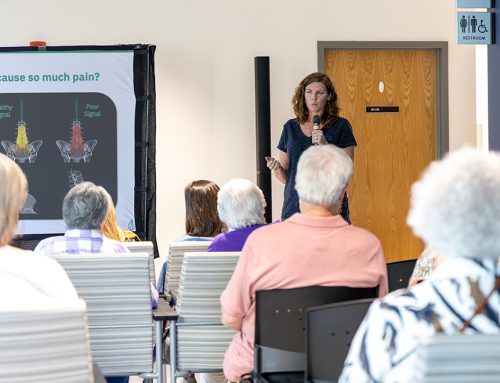
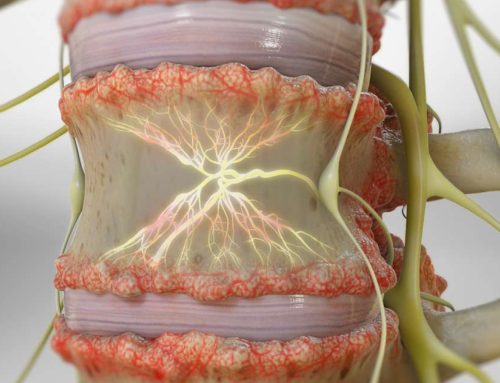
ReActiv8 uses an implanted device to stimulate nerves that activate the multifidus muscles in the lower back. The therapy aims to help restore muscle control as an aid in managing certain forms of chronic low back pain.
Its approved use involves adults with difficult-to-treat chronic low back pain associated with multifidus muscle dysfunction. Candidates must have tried treatments including pain medication and physical therapy without adequate benefit and must not be candidates for spine surgery.
However, ReActiv8 itself requires an implant procedure. A qualified physician must assess suitability and discuss potential benefits, risks, alternatives, and ongoing therapy requirements.
Learn more about ReActiv8 at PCET.
Watch Rachel’s Story
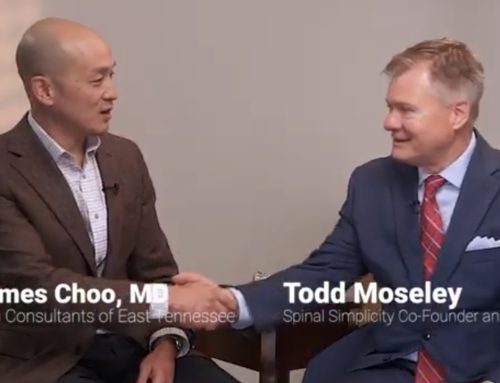
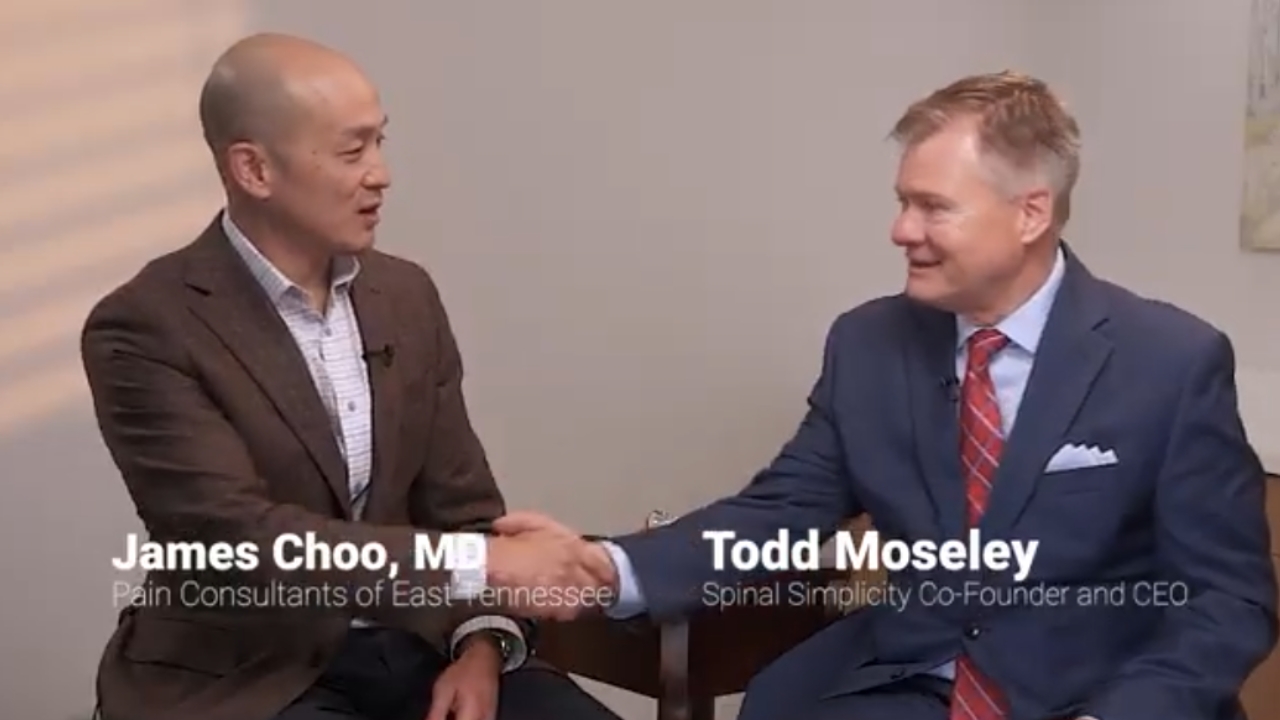
Watch the recorded interview below to hear Rachel describe her experience in her own words.
A personal story can help you prepare questions. It cannot determine whether the same treatment is appropriate for you.
Questions to Discuss With Your Provider
If you want to learn more about ReActiv8, consider asking:
- What may be contributing to my low back pain?
- Does my evaluation suggest multifidus muscle dysfunction?
- Which treatment options fit my needs?
- What benefits and risks should I understand?
- What does implant surgery involve?
- What ongoing device use and follow-up would treatment require?
- Your provider can explain how your symptoms, examination, medical history, and previous treatments guide recommendations.
Explore Your Options With PCET
If persistent low back pain affects your daily activities, an individual evaluation can help you understand appropriate next steps.
Call Pain Consultants of East Tennessee at (865) 579-0552 to ask about a consultation.