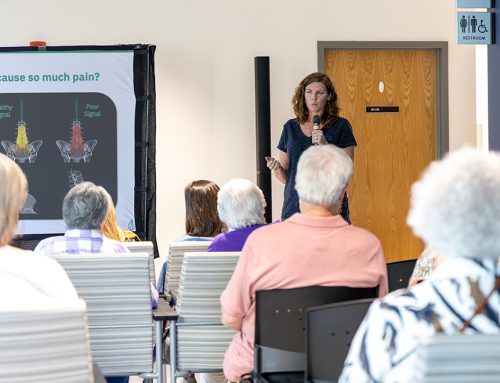

Chronic low back pain can have several causes. For some people, pain comes from damaged vertebral endplates, the structures between the spinal discs and vertebral bones.
Basivertebral nerve ablation targets nerves that carry pain signals from these endplates. The procedure may help appropriately selected people with this form of pain, known as vertebrogenic low back pain.
What Is Basivertebral Nerve Ablation?
Basivertebral nerve ablation, also called BVN ablation or BVNA, uses radiofrequency energy to heat and ablate targeted nerves inside the vertebral bones.
The goal is to interrupt pain signals associated with vertebral endplate damage. However, the procedure does not repair the endplates or treat every possible cause of back pain.
An individual evaluation helps your provider determine whether vertebrogenic pain may be contributing to your symptoms.
Who May Be a Candidate?
Patient selection involves more than the duration of pain. For the Intracept system, FDA-cleared indications include:
- Chronic low back pain lasting at least six months.
- Symptoms that have not responded adequately to at least six months of conservative care.
- MRI findings showing specific changes, called Modic Type 1 or Type 2 changes, at vertebral levels L3 through S1.
Your provider also reviews your examination, medical history, previous treatments, and other possible pain sources.
Importantly, MRI findings alone do not establish that this procedure is right for you. Your overall health and any conditions that could make treatment unsuitable also matter.
Potential Benefits of BVN Ablation
Research involving selected patients with vertebrogenic pain has found improvements in pain and daily function after treatment.
Long-term follow-up studies have reported sustained improvements among participants assessed approximately five years after the procedure. However, these findings do not predict an individual person’s results.
Your goals may include moving more comfortably or participating more fully in everyday activities. Discuss those goals with your provider when weighing treatment options.
What the Procedure Involves
BVN ablation typically takes place in an outpatient setting. Using imaging guidance, the physician places instruments into the targeted vertebral bone and applies radiofrequency energy near the nerve.
Your care team will explain the planned anesthesia, preparation, and recovery instructions.
Although patients commonly return home the same day, activity restrictions and recovery needs vary. Follow your provider’s instructions about lifting, exercise, work, and follow-up appointments.
Risks and Limitations
Like other procedures, BVN ablation carries risks. Potential complications include bleeding, infection, pain or discomfort, and nerve or vertebral injury.
Also, treatment may not provide the improvement you hoped for. Other pain sources may require additional evaluation or a different approach.
Your provider should explain the potential benefits, risks, alternatives, and reasons they recommend or advise against treatment.
Frequently Asked Questions
Does BVN ablation treat every type of low back pain?
No. It targets vertebrogenic pain associated with vertebral endplate changes. Other conditions may require different treatments.
Does an MRI showing Modic changes mean I qualify?
Not necessarily. Your provider considers those findings alongside your symptoms, examination, treatment history, and overall health.
Can I stop taking pain medication afterward?
Do not stop or change prescribed medication without guidance from your prescribing provider. Medication needs and treatment responses vary.
Explore Your Options at PCET
If persistent low back pain affects your daily activities, an evaluation can help you understand what may be contributing to your symptoms.
Learn more about BVN ablation at PCET or call (865) 579-0552 to ask about a consultation.
Redefining Pain Relief in East Tennessee
At PCET, we believe patients deserve more than temporary fixes—they deserve real, lasting solutions. Basivertebral Nerve Ablation is helping us redefine pain care in East Tennessee, giving patients hope and the opportunity to live life fully again.
Learn more by watching a WBIR interview with a BVN patient below.