 Chronic pain—especially nerve-related pain—can be debilitating and persistent, even after medications, physical therapy, or surgery. Fortunately, peripheral nerve stimulation (PNS) is emerging as a promising, drug-free option for managing neuropathic pain by sending mild electrical impulses directly to the nerves.
What Is PNS and How Does It Work?
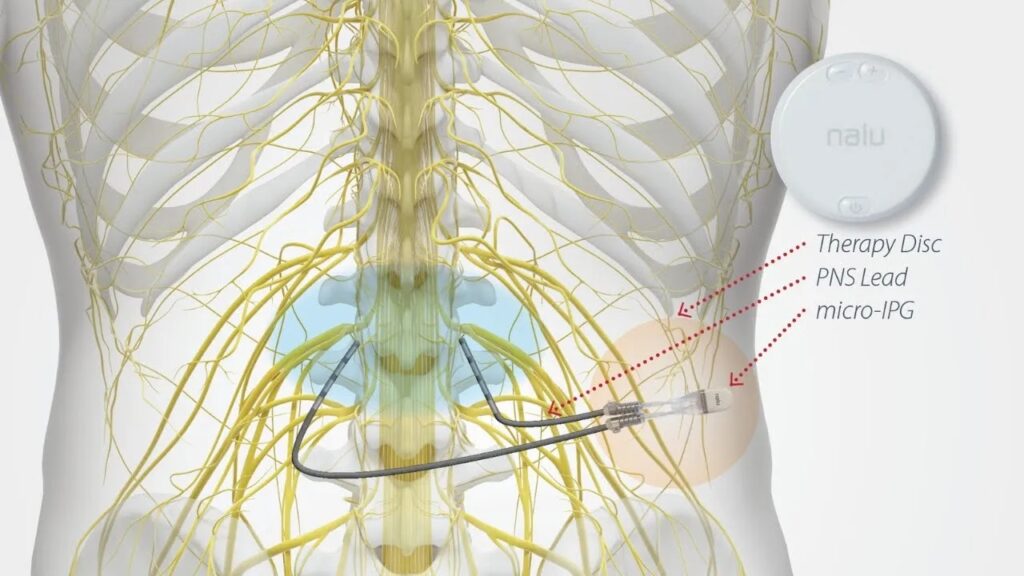
PNS involves placing thin lead electrodes under the skin near peripheral nerves (those outside the spinal cord and brain). These electrodes deliver gentle electrical pulses that block the pain signals traveling to your brain—similar to how a dimmer switch reduces brightness.
- Trial Stage: The leads connect to a small external stimulator for a brief trial period to test effectiveness.
- Permanent Implant: If successful, a tiny internal battery-powered generator is implanted beneath the skin to deliver long-term pain relief.
- Patients can typically control their device—turning stimulation on or off, and adjusting intensity—for personalized comfort.
Who Benefits from PNS?
Ideal candidates often include individuals with chronic neuropathic or nerve-related pain that hasn’t responded to conservative treatments. Common conditions include:
- Complex Regional Pain Syndrome (CRPS)
- Diabetic neuropathy
- Post-surgical nerve pain (e.g., amputation stump pain)
- Occipital (head/neck) neuralgia
- Phantom limb pain
- Specific peripheral nerve entrapments (e.g., femoral, ilioinguinal neuralgia)
By targeting the affected nerve specifically, PNS often delivers more precise relief than broader therapies like spinal cord stimulation (SCS).
What to Expect: Procedure & Trial
- Evaluation and Candidacy
Your pain specialist will take a detailed history, conduct a physical exam, and often use nerve blocks to identify the culprit nerve. - b) Trial Implantation
Under mild sedation or local anesthesia, a temporary lead is placed. You wear an external device, and your response to stimulation is closely monitored. - c) Permanent Implantation
If the trial significantly reduces your pain—and improves function—you’re scheduled for a minor surgical procedure. Permanent leads and the internal generator are implanted, often under the skin of the shoulder, chest, or abdomen. - d) Recovery and Use
Initial healing takes a few weeks. From then on, you can control your device, adjusting settings to suit your daily pain levels. Most batteries last multiple years.
Advantages Over Medications
- Drug-Free Approach: PNS avoids the side effects and dependency risks of opioids and other pain drugs.
- Precision Therapy: Directly targets the affected nerve, providing targeted relief.
- Adjustability: Easily titrate stimulation without any additional procedures.
Is PNS Right for You?
If you’re struggling with persistent nerve pain that hasn’t improved with conservative care, ask your physician about a PNS trial. It’s reversible—leads can be removed if it’s ineffective—and offers a personalized, low-risk pathway to potentially life-changing relief.
The Future of Pain Relief
PNS is expanding rapidly, with evolving techniques and smaller, rechargeable devices enhancing comfort and efficacy. Mounting research supports its long-term benefits, including pain reduction, improved mobility, and even decreased usage of pain medication.
Final Thoughts
Peripheral nerve stimulation represents a major leap forward in pain medicine. It offers a targeted, adjustable, and medication-free solution for those with stubborn neuropathic pain. With a trial phase and proven reversibility, it’s a compelling option worth exploring with your pain specialist.
Curious to learn more?
Watch Nalu’s PNS video below for more information or call us at (865) 579-0552 to see if this procedure may be right for you.